Pentecost Sunday: What Is It and Why Does It Matter?
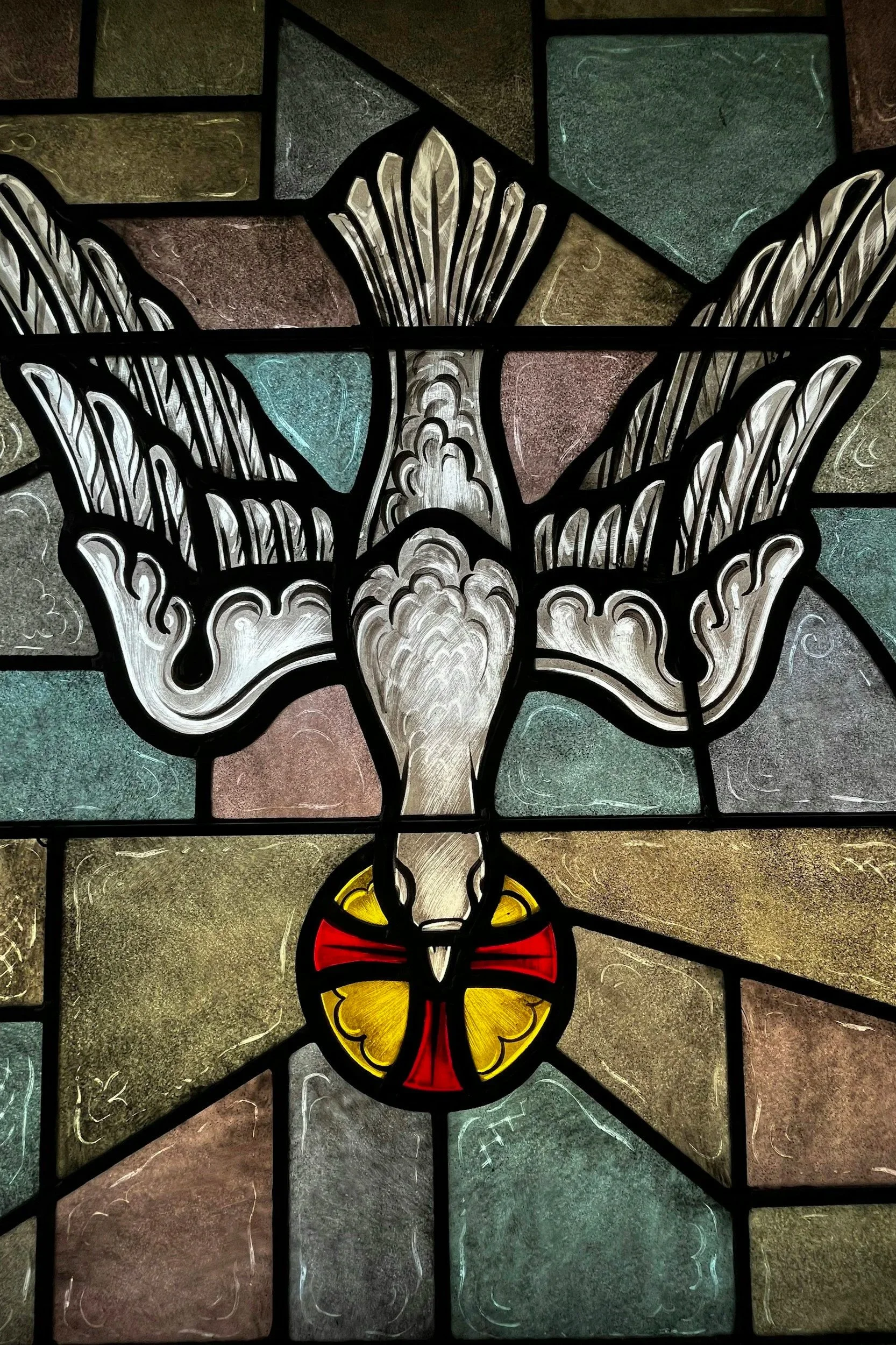
The Holy Spirit descended with wind and fire, and filled those gathered with power to preach the gospel. After the Apostle Peter’s sermon, three thousand people were added to the church in a single day—the first harvest of the new age. Therefore, in a very real sense, Pentecost Sunday is the birthday of the Christian church.
Easter is certainly the high mark of the church calendar, when we celebrate Christ’s resurrection from the dead. But many don’t realize that in the church calendar, Easter Sunday begins a 50 day season of Eastertide that culminates with one of the oldest and most significant days of the Christian year: Pentecost Sunday.
Just like the twelve days of Christmastide, the long season of Eastertide is supposed to be a continuation of the celebration of the resurrection. Christians remember the risen Christ walking among his disciples, explaining to them how the Law and the Prophets all are fulfilled in him, and preparing them for his coming ascension. Eastertide then concludes with Ascension Sunday, when we remember Christ’s bodily ascension to the right hand of the Father. The following Sunday is Pentecost Sunday, which we celebrated just a few days ago.
What is Pentecost Sunday?
The word Pentecost comes from the Greek pentekoste, which means “fiftieth.” It was originally celebrated as the Jewish Feast of Weeks, or Shavout, which fell fifty days after Passover and celebrated the firstfruits of the harvest and the giving of the Law at Sinai. When the Holy Spirit fell on the gathered church in Acts 2, it occurred on the very day of this Jewish feast.
The connection was not mere coincidence. Just as the Old Testament Pentecost celebrated the giving of the Law and the firstfruits of the harvest, the New Testament Pentecost marks the writing of the Law on the hearts of the people of God as the Holy Spirit indwelt God’s people, and it was the firstfruits of the new creation. The Holy Spirit descended with wind and fire, and filled those gathered with power to preach the gospel. After the Apostle Peter’s sermon, three thousand people were added to the church in a single day—the first harvest of the new age. Therefore, in a very real sense, Pentecost Sunday is the birthday of the Christian church.
It is one of the oldest observances of the church calendar, celebrated alongside Easter, Epiphany, and Christmas as far back as the second century. Roman Catholics, Eastern Orthodox, Lutherans, Anglicans, and many Reformed and Presbyterian churches continue to celebrate it today.
Pentecost Traditions
Due to the images of fire and wind, the two signs of the Holy Spirit’s descent in Acts 2, Pentecost Sunday is accompanied by more striking symbols. The liturgical color for Pentecost is red and represents the tongues of fire, as well as the blood of the martyrs whose strong witness was empowered by the Holy Spirit. In some high church traditions, rose petals are dropped from the ceiling during worship, representing the descent of the Holy Spirit, and large doors and windows are left open to allow for wind to freely move in the sanctuary.
Historically, Pentecost is one of the preferred Sundays of the year for baptisms. The same Spirit who descended at Pentecost is the same Spirit who seals believers in their baptism and indwells the church today, so the connection is fitting. The fifty-day arc from Easter to Pentecost has always been seen as a single extended season of celebration, after the long penitential season of Lent. The gift of the resurrection and the gift of the Holy Spirit belong together as the gifts of grace for God’s people.
What Does Pentecost Sunday Look Like at Christ Church Bellingham?
Pentecost Sunday falls in the middle of a three-Sunday arc in the church calendar: Ascension Sunday, Pentecost Sunday, and Trinity Sunday. These three Sundays together mark the culmination of the main arc of the Christian year, celebrating the enthronement of the Son, the outpouring of the Holy Spirit, and the confession of the triune God. At our church’s liturgy for our profession of faith on these three Sundays, we recite a section of the Athanasian Creed.
The Athanasian Creed is the most theologically precise of the ecumenical creeds of the church. It is rich and weighty, and so as a church we spread it across these three Sundays as the creed speaks to the trinitarian shape of redemption: the Father sends the Son, the Son accomplishes salvation, and the Holy Spirit is poured out to apply that salvation to the church.
For Pentecost Sunday, we change the liturgical fabric in the sanctuary to red, which is a dramatic shift from the white of Eastertide. The whole service carries a celebratory tone, with the music and liturgy focused on the person and work of the Holy Spirit. Pentecost Sunday marks a meaningful transition in the life of our church, in that after Pentecost we begin Ordinary Time, which runs from Trinity Sunday through Christ the King Sunday in November. This season represents the life of the church in the world. During this season of Ordinary Time, we slow down from the feasting rhythm of the great seasons and settle into the regular rhythms of Christian community together. During the summer we often gather together as smaller groups or the whole church to share meals, indoors and outdoors, enjoying the fellowship that the Holy Spirit makes possible. The birth of the church at Pentecost resulted in a people who were “breaking bread in their homes and ate together with glad and generous hearts, praising God and having favor with all the people” (Acts 2:46). We want our church to have that same table fellowship and hospitality that characterized the early church during the unhurried weeks of Ordinary Time that follow Pentecost.
Pentecost Sunday is not mere liturgical pageantry. When we mark Pentecost Sunday each year, we are not looking back at something that happened to someone else, but are celebrating the ongoing life we live in as a church. By stopping once a year to mark the birthday of the church, we remind ourselves of why we exist. We are a people filled with the Holy Spirit and empowered to bear witness to the risen Christ until his Second Coming. What began on a Sunday morning in Jerusalem with the sound of a rushing wind and the appearing of tongues of fire is still underway today: Christ building his church in the power of the Holy Spirit through the ordinary ministry of God’s people.
Come, Holy Spirit.
